Protect Your Ride: Handling Tree Sap and Bug Splatter with Ceramic Coating in Baton Rouge in Ceramic Coating Baton Rouge, LA
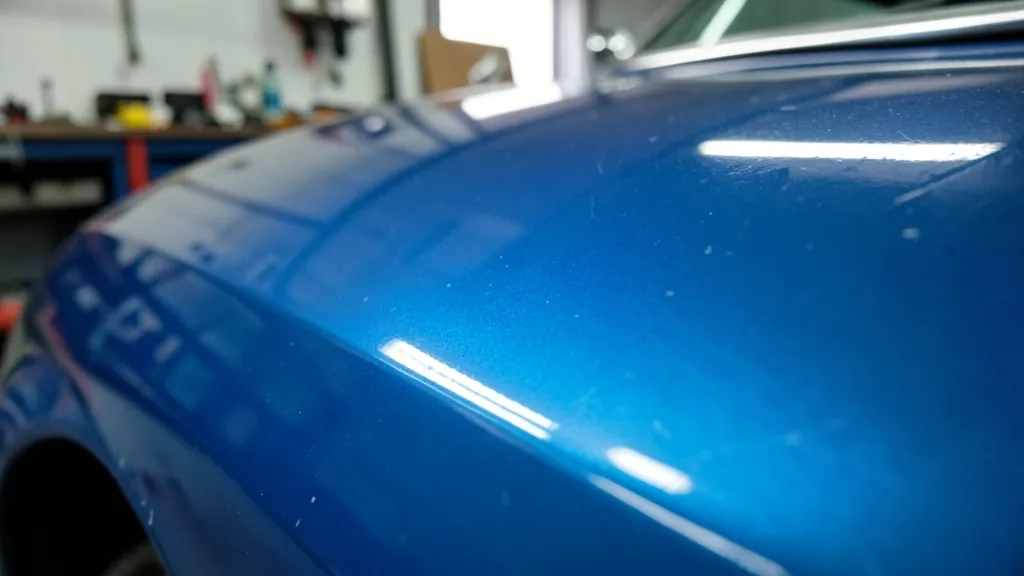
Baton Rouge’s oak-lined streets and humid summers mean tree sap and bug splatter are inevitable. Without the right approach, these contaminants can etch into clear coat or compromise your ceramic coating’s integrity. We’ll show you how to tackle them safely and keep your finish pristine.
Why Tree Sap and Bug Splatter Are Tough on Automotive Finishes
Tree sap is acidic and can bond to paint within hours, especially under Louisiana’s intense sun. Left untreated, it etches the clear coat and dulls the gloss, even under a ceramic coating.
Bug splatter contains proteins and acids that harden quickly. In Baton Rouge’s heat, they bake onto surfaces, making removal harder and risking micro-scratches if scrubbed aggressively.
How Ceramic Coating Changes the Game
A professional-grade ceramic coating like those we apply in Baton Rouge creates a 9H-hard, hydrophobic layer. This makes sap and bug residue bead up, so they’re easier to rinse off before bonding.
The coating’s SiO2 matrix also resists UV fading and chemical staining, but it’s not invincible. Proper maintenance is key to preserving its lifespan of 2–5 years or more.
Reapply a ceramic boost spray every 6–12 months to refresh hydrophobicity and make contamination removal even easier.
Step-by-Step Removal: Sap vs. Bug Splatter
Always start with a cool, shaded workspace. Heat softens sap, making it spread. Use a pH-neutral car shampoo and the two-bucket method to avoid swirl marks.
| Contaminant | Recommended Product | Technique | Time Sensitivity |
|---|---|---|---|
| Tree Sap | Isopropyl alcohol (70%+) or dedicated sap remover | Dab with microfiber, do not rub | Remove within 24–48 hours |
| Fresh Bug Splatter | pH-neutral detail spray or insect remover | Soak, then gently lift with a microfiber towel | Best within hours |
| Baked-On Bugs | Iron remover or clay bar lubricated with detail spray | Clay bar for heavy deposits; iron remover for mineralized spots | Address within days to prevent etching |
Products to Use—and Avoid—on Ceramic Coated Cars
Stick to pH-neutral cleaners, microfiber wash mitts, and grit guards. Avoid dish soap, degreasers, or anything with strong alkalines or solvents—they degrade the coating’s bond.
For stubborn sap, a dedicated automotive sap remover is safer than household cleaners. Always spot-test in an inconspicuous area first.
Never use a dry towel or paper towels on sap or bugs. They’ll scratch the coating and underlying paint.
When to Call in the Pros for Paint Correction
If sap or bug splatter has etched the clear coat, you’ll see dull spots or haze. In these cases, a light paint correction with a dual-action polisher may be needed before reapplying ceramic coating.
Our team in Baton Rouge often combines paint correction with ceramic coating services for vehicles in Baker, Zachary, and Central to restore clarity and add long-term protection.
Preventative Measures for Baton Rouge Drivers
Park under cover when possible, especially near oak or pine trees. If parking outside, use a breathable car cover to shield against sap and debris.
Regular maintenance washes every 2 weeks help prevent buildup. For extra defense, consider Paint Protection Film (PPF) on high-impact areas like the hood and bumper.
Ceramic Coating Maintenance Checklist
- Wash with pH-neutral shampoo biweekly
- Use a foam cannon for lubrication
- Dry with a plush microfiber towel
- Apply ceramic detail spray after each wash
- Inspect for contaminants weekly
Ceramic Coating vs. Wax: Real-World Durability
Traditional wax offers minimal protection against sap and bugs, lasting weeks. Ceramic coatings, with their nano-ceramic bond, provide years of resistance to UV, chemicals, and contamination.
In areas like Denham Springs and Prairieville, where pollen and insects are rampant, ceramic coatings outperform wax by resisting staining and making cleanup a breeze.
How to Safely Remove Tree Sap from a Ceramic Coated Car
Follow these steps to lift sap without damaging your coating or paint.
- 1Prep the Surface
Rinse the area with cool water to remove loose debris. Avoid high-pressure streams that can spread the sap.
- 2Apply Sap Remover
Dab a small amount of isopropyl alcohol or automotive sap remover onto a microfiber towel. Do not pour directly onto the paint.
- 3Let It Dwell
Allow the product to sit for 30–60 seconds to break down the sap’s bond. Reapply if needed for stubborn spots.
- 4Gently Lift Sap
Use a fresh microfiber towel to blot the sap away. Avoid rubbing to prevent micro-scratches.
- 5Rinse and Protect
Rinse the area thoroughly, then apply a ceramic detail spray to restore hydrophobicity and gloss.
Frequently Asked Questions
Can I use a pressure washer to remove bug splatter from my ceramic coated car in Baton Rouge?
Yes, but keep the nozzle at least 18 inches away and use a wide spray pattern. High pressure can force contaminants into the coating or cause swirl marks. Always pre-soak bugs with a detail spray first.
Will ceramic coating prevent tree sap from sticking to my car?
Ceramic coating reduces adhesion and makes sap easier to remove, but it won’t stop sap from landing on your car. The hydrophobic layer helps sap bead up, so it’s less likely to bond permanently.
How often should I wash my car to prevent sap and bug damage in Baton Rouge?
We recommend washing every 1–2 weeks, especially during peak bug and pollen seasons. Regular washing prevents contaminants from hardening and etching the surface.
Can I apply a ceramic coating myself, or should I hire a pro in Baton Rouge?
DIY kits exist, but professional application ensures proper surface prep, even coverage, and maximum durability. Mistakes in prep or application can lead to premature failure or uneven protection.
Does ceramic coating work on older cars with existing paint damage?
Yes, but paint correction is often needed first to address swirl marks, oxidation, or etching. We frequently combine paint correction with ceramic coating for vehicles in Zachary and Central to restore and protect their finish.
What’s a good way to protect my car from sap and bugs if I don’t have a garage?
Consider a high-quality car cover or seek out covered parking in shopping centers or workplaces. For long-term protection, Paint Protection Film (PPF) on high-impact areas can complement your ceramic coating.