How Ceramic Coatings Reduce the Need for Paint Correction in Baton Rouge in Ceramic Coating Baton Rouge, LA
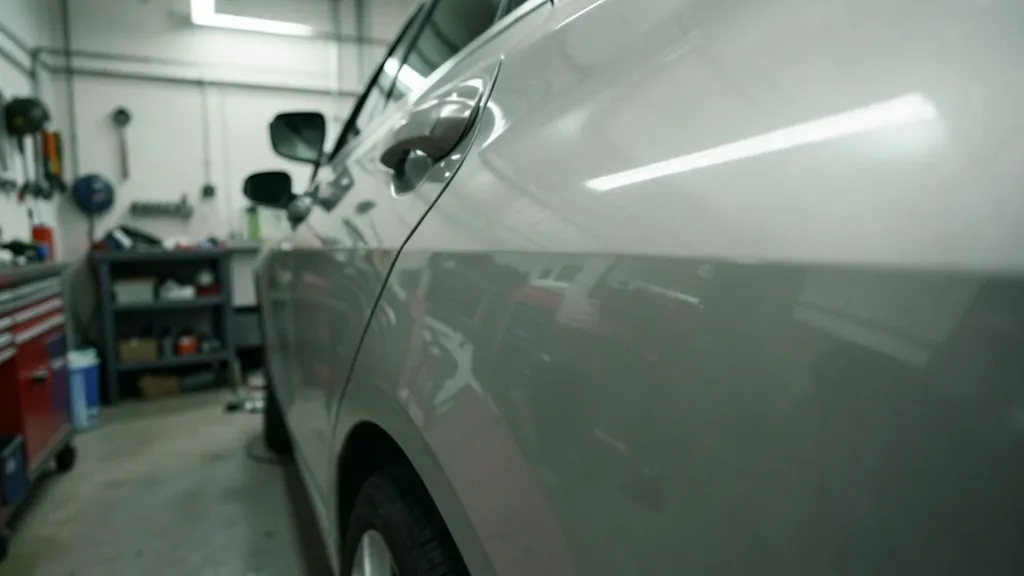
In Baton Rouge’s humid, pollen-heavy climate, your vehicle’s paint takes a beating daily. Ceramic coatings act as a sacrificial layer, shielding the clear coat from contaminants and UV rays that lead to swirls, etching, and oxidation—reducing the frequency and intensity of paint correction needed to keep your ride looking showroom-fresh.
Why Baton Rouge Vehicles Need Extra Paint Protection
Our region’s high humidity, frequent rain, and abundant pollen create a perfect storm for paint damage. These elements accelerate oxidation and leave stubborn water spots that etch into the clear coat over time.
Add in harsh sunlight, bird droppings, and road grime from I-10 or I-12, and it’s clear why local vehicles often require more frequent paint correction without proper protection.
How Ceramic Coatings Act as a Barrier Against Paint Defects
Ceramic coatings bond molecularly with your vehicle’s paint, forming a hydrophobic layer that repels water, dirt, and contaminants. This self-cleaning effect minimizes the adhesion of pollutants that cause swirl marks and scratches.
The 9H hardness rating of premium coatings resists light scratches and marring, which are common culprits behind the need for paint correction. Fewer defects mean less polishing over time.
For maximum protection in Baton Rouge, pair a ceramic coating with paint protection film (PPF) on high-impact areas like the hood and bumper. PPF absorbs physical damage, while the coating handles chemical and UV threats.
Ceramic Coating vs. Traditional Wax: Long-Term Paint Preservation
Traditional waxes and sealants offer temporary protection, lasting weeks to months before breaking down under UV exposure. They require reapplication and do little to prevent deep contamination or etching.
Ceramic coatings, however, last 2–5 years or more with proper care. Their durability means your paint stays shielded longer, reducing the need for aggressive correction to remove embedded contaminants.
| Feature | Ceramic Coating | Traditional Wax |
|---|---|---|
| Duration | 2–5+ years | 4–12 weeks |
| UV Resistance | High (99%+ blockage) | Low to moderate |
| Hydrophobicity | Extreme (beading & sheeting) | Moderate |
| Scratch Resistance | 9H hardness (light scratches) | Minimal |
| Self-Cleaning Effect | Yes (dirt repellency) | No |
| Maintenance | Low (annual inspections) | High (frequent reapplication) |
Common Paint Issues Ceramic Coatings Prevent
Swirl marks from improper washing are a top reason Baton Rouge drivers seek paint correction. Ceramic coatings’ slick surface reduces friction during washes, lowering the risk of micro-scratches.
Oxidation and fading from UV exposure are also major concerns. The coating’s UV inhibitors slow these processes, preserving your paint’s depth and gloss without constant polishing.
Paint Problems Ceramic Coatings Tackle
- Water spots and mineral etching from hard water
- Pollen, sap, and bird dropping stains
- UV-induced oxidation and color fading
- Light swirl marks and marring
- Chemical stains from road salts and industrial fallout
When Paint Correction Is Still Necessary
Ceramic coatings aren’t invincible. Deep scratches, severe swirls, or pre-existing paint defects won’t disappear with a coating alone. These issues require professional paint correction before applying a ceramic layer.
Post-correction, the coating locks in the restored finish, making it easier to maintain. Think of it as a long-term investment to extend the life of your correction work.
Improper paint correction before coating can cause holograms, buffer trails, or even burn-through. Always trust a professional for correction and coating application in Baton Rouge.
Local Conditions That Accelerate Paint Damage
Baton Rouge’s proximity to the Mississippi River means higher humidity levels, which can trap contaminants against your paint. Ceramic coatings’ hydrophobic properties help water slide off before it can cause harm.
Neighboring areas like Zachary, Central, and Denham Springs share similar challenges. Vehicles in these zones benefit just as much from ceramic protection to combat pollen, dust, and road debris.
Maintaining Your Ceramic Coating to Minimize Correction
Even with a coating, regular maintenance is key. Use pH-neutral car shampoos and microfiber wash mitts to avoid introducing swirls. Avoid automatic car washes with harsh brushes—they can degrade the coating over time.
Annual inspections ensure the coating’s integrity. If the hydrophobic effect weakens, a maintenance spray or reapplication may be needed to keep protection at its peak.
How to Prepare Your Vehicle for a Ceramic Coating in Baton Rouge
Proper prep is critical to maximize the coating’s effectiveness and longevity.
- 1Thorough Wash and Decontamination
Start with a deep clean using a foam cannon and iron-removing pre-wash to eliminate embedded contaminants. Clay bar the surface to remove pollutants that washing alone can’t.
- 2Paint Correction (If Needed)
Address swirls, scratches, or oxidation with professional polishing. This step ensures the coating adheres to a flawless surface, enhancing gloss and protection.
- 3Surface Prep and IPA Wipe-Down
After correction, use an isopropyl alcohol (IPA) solution to remove oils, fingerprints, and residual polish. This ensures a clean, bare surface for the coating to bond with.
- 4Coating Application in a Controlled Environment
Apply the ceramic coating in a dust-free, climate-controlled space. Use precise techniques to ensure even coverage, working in small sections for optimal results.
- 5Curing Time
Allow the coating to cure for 24–48 hours before exposing the vehicle to water or elements. Avoid driving in rain or parking under trees during this period.
Frequently Asked Questions
Can a ceramic coating completely eliminate the need for paint correction in Baton Rouge?
While ceramic coatings drastically reduce the frequency of paint correction, they don’t eliminate the need entirely. Deep scratches or severe defects may still require professional correction. However, the coating will protect the corrected surface far longer than unprotected paint.
How often should I reapply a ceramic coating in Baton Rouge’s climate?
Professional-grade ceramic coatings typically last 2–5 years, but Baton Rouge’s harsh conditions may shorten this slightly. Annual inspections help determine if a maintenance spray or reapplication is needed to maintain optimal protection.
Is paint correction necessary before applying a ceramic coating?
Yes, if your vehicle has swirls, scratches, or oxidation. A ceramic coating will lock in the existing condition of your paint. Correction ensures the coating enhances a flawless finish rather than preserving imperfections.
Does a ceramic coating protect against rock chips or deep scratches?
Ceramic coatings provide excellent protection against light scratches and chemical damage, but they won’t stop rock chips or deep gouges. For these, consider pairing the coating with paint protection film (PPF) on high-impact areas.
Can I apply a ceramic coating myself, or should I hire a professional in Baton Rouge?
DIY ceramic coating kits exist, but professional application ensures proper prep, even coverage, and longevity. Mistakes in prep or application can lead to poor bonding, streaks, or premature failure—costing more in the long run.
Will a ceramic coating make my car easier to clean in Baton Rouge’s dusty seasons?
Absolutely. The hydrophobic and oleophobic properties of ceramic coatings cause dirt, dust, and water to bead up and slide off. This makes washing your vehicle quicker and reduces the risk of swirls from improper cleaning.