How to Safely Remove Hard Water Spots from Your Ceramic Coating in Baton Rouge in Ceramic Coating Baton Rouge, LA
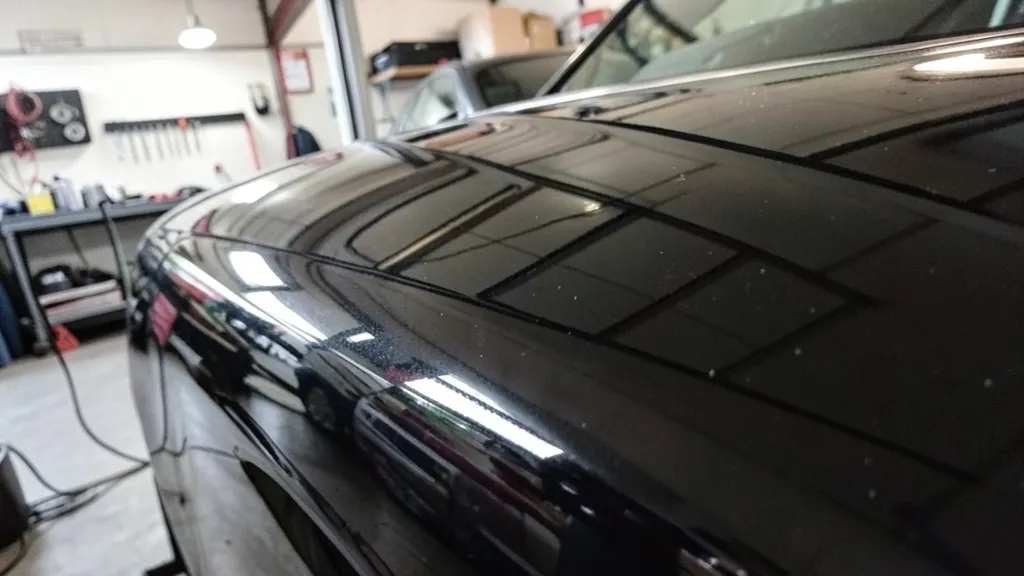
Hard water spots are a common frustration for vehicle owners in Baton Rouge, especially after our humid summers and frequent rain. These mineral deposits can etch into your ceramic coating if not addressed properly, compromising both appearance and protection. We’ll show you how to remove them safely—without damaging the coating or the underlying paint.
Why Hard Water Spots Are a Problem for Ceramic Coatings
Baton Rouge’s water supply is rich in minerals like calcium and magnesium. When water evaporates on your vehicle’s surface, it leaves behind these deposits, which can bond to the ceramic coating over time.
If ignored, hard water spots can create microscopic etches in the coating, reducing its hydrophobic properties and gloss. In severe cases, they may even require paint correction to fully restore the finish.
Signs Your Ceramic Coating Has Hard Water Damage
Look for white, chalky residues that resist normal washing. These are often concentrated on horizontal surfaces like the hood, roof, and trunk.
Run your fingers over the spots—if they feel rough, the deposits have likely adhered to the coating.
Never use harsh scrub pads, baking soda, or vinegar on ceramic coatings. These can strip the protective layer and damage the underlying paint.
Tools and Products You’ll Need
Start with a pH-neutral automotive shampoo to remove surface dirt without breaking down the coating. A high-quality microfiber wash mitt and separate drying towels are essential to prevent swirl marks.
For stubborn spots, a clay bar or clay mitt helps lift embedded contaminants. A dedicated water spot remover (formulated for ceramic coatings) is safer than DIY solutions.
A dual-action polisher with a light polishing compound may be needed for etched spots, but this should only be attempted by professionals to avoid thinning the coating.
Essential Supplies
- pH-neutral car shampoo
- Microfiber wash mitt and towels
- Clay bar or clay mitt and lubricant
- Water spot remover (ceramic-safe)
- Isopropyl alcohol (70% or higher) for final prep
- Spray bottle with distilled water
Step-by-Step Removal Process
Begin with a thorough wash using pH-neutral shampoo to remove loose dirt. Dry the vehicle completely with a clean microfiber towel to prevent new water spots from forming.
Next, use a clay bar or mitt with lubricant to gently lift embedded contaminants. Work in small sections, and frequently fold the clay to expose a clean surface.
When to Call a Professional
If the hard water spots have etched into the ceramic coating or the paint beneath, professional intervention is often required. Our team in Baton Rouge specializes in paint correction and ceramic coating restoration to bring back that showroom shine.
For vehicles with Paint Protection Film (PPF) or those in nearby areas like Zachary or Prairieville, the same principles apply—but PPF may require different products to avoid damaging the film.
After washing, use a ceramic coating-safe quick detailer or spray sealant to enhance hydrophobicity. Park in a garage or under a cover during Baton Rouge’s frequent rain showers.
Ceramic Coating vs. Wax: How Water Spots Differ
Unlike traditional wax, ceramic coatings are far more resistant to water spots due to their inorganic, glass-like structure. However, they’re not invincible—prolonged exposure to mineral-rich water can still cause issues.
Wax, on the other hand, degrades quickly under hard water exposure and offers little protection against etching. Ceramic coatings last years with proper care, making them a superior choice for Baton Rouge’s climate.
| Feature | Ceramic Coating | Traditional Wax |
|---|---|---|
| Durability | 2–5+ years | 1–3 months |
| Water Spot Resistance | High (inorganic bond) | Low (organic, dissolves quickly) |
| Etching Protection | Strong (prevents most mineral bonding) | Weak (minerals penetrate easily) |
| Maintenance | Low (pH-neutral washes, occasional decontamination) | High (frequent reapplication needed) |
| Hydrophobic Properties | Extreme (beading and sheeting) | Moderate (beading only) |
Maintaining Your Ceramic Coating in Louisiana’s Climate
Baton Rouge’s humidity and frequent rain mean your ceramic coating faces constant exposure to water and contaminants. Regular maintenance washes (every 2 weeks) are key to preventing buildup.
For vehicles in Baker, Central, or Denham Springs, where dust and pollen are common, a monthly decontamination wash with a clay mitt helps maintain the coating’s integrity.
How to Remove Hard Water Spots from Ceramic Coating
Follow these steps to safely eliminate hard water spots without harming your ceramic coating.
- 1Wash the Vehicle
Use a pH-neutral automotive shampoo and a microfiber wash mitt to remove surface dirt. Rinse thoroughly and dry with a clean microfiber towel.
- 2Decontaminate with Clay
Spray a clay lubricant on a small section and gently glide a clay bar or mitt over the surface to lift embedded contaminants. Repeat until the entire vehicle is smooth.
- 3Apply Water Spot Remover
Spray a ceramic-safe water spot remover onto the affected areas. Let it dwell for 30–60 seconds, then gently agitate with a microfiber towel.
- 4Inspect and Repeat if Needed
Check for remaining spots. If they persist, repeat the water spot remover or consider a light polish for etched areas—best left to professionals.
- 5Seal and Protect
Apply a ceramic-safe quick detailer or spray sealant to restore hydrophobicity and protect against future spots.
Frequently Asked Questions
Can I use vinegar to remove hard water spots from my ceramic coating in Baton Rouge?
No. Vinegar is acidic and can degrade ceramic coatings over time. Always use a pH-neutral, ceramic-safe water spot remover to avoid damaging the protective layer.
How do I prevent hard water spots after washing my car?
Dry your vehicle immediately after washing with a clean microfiber towel. Use distilled water for the final rinse if possible, and apply a ceramic-safe quick detailer to enhance water beading.
Will hard water spots damage my ceramic coating permanently?
If addressed quickly, hard water spots won’t permanently damage the coating. However, if left untreated, they can etch into the coating or paint, requiring professional paint correction or coating reapplication.
Is it safe to use a pressure washer on a ceramic-coated car in Baton Rouge?
Yes, but use a low-pressure setting (under 1,500 PSI) and a wide-angle nozzle (25–40 degrees). Avoid spraying directly at edges or seams, and always pre-rinse to loosen dirt before washing.
Do ceramic coatings eliminate the need for paint protection film (PPF)?
No. While ceramic coatings provide excellent protection against UV rays, contaminants, and minor scratches, PPF offers superior defense against rock chips and deep scratches. Many Baton Rouge drivers combine both for maximum protection.
How often should I reapply ceramic coating in Louisiana’s climate?
A professionally applied ceramic coating typically lasts 2–5 years, but Louisiana’s harsh sun and humidity may shorten this slightly. Regular maintenance and annual inspections help extend its lifespan. Request a quote to assess your coating’s condition.