How Transparent Prep Processes Separate the Best Ceramic Coating Installers in Ceramic Coating Baton Rouge, LA
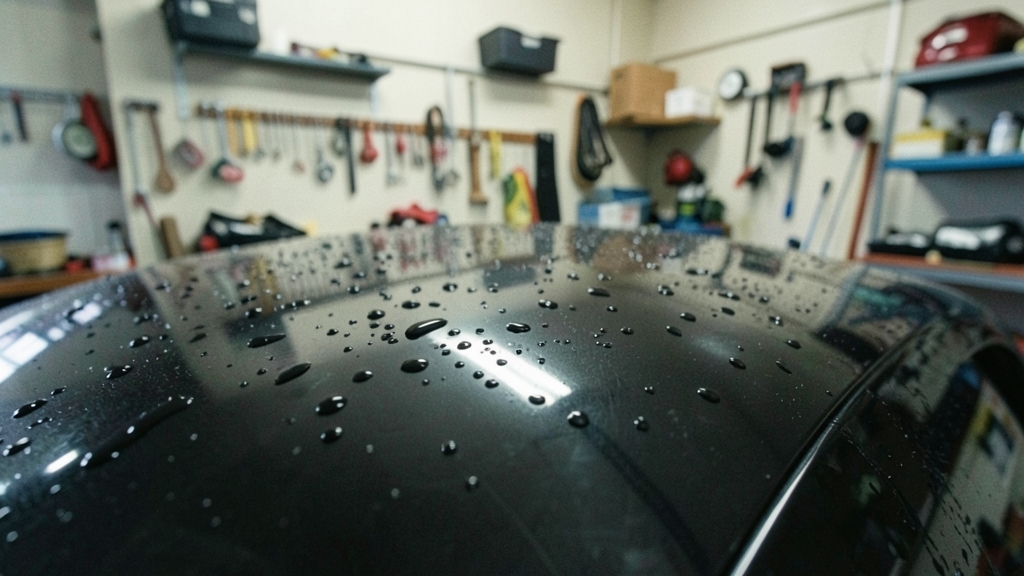
The difference between a mediocre ceramic coating and a showroom-grade finish often comes down to what happens before the coating is even applied. In Baton Rouge, where humidity and pollen test even the best finishes, transparent prep processes are the hallmark of installers who deliver lasting protection. We break down what separates the best from the rest.
Why Prep Work Makes or Breaks Your Ceramic Coating
Ceramic coatings bond permanently to your vehicle’s clear coat—but only if the surface is immaculate. Any contaminants, oxidation, or imperfections trapped beneath the coating will be sealed in forever, compromising durability and appearance.
Baton Rouge’s climate accelerates paint damage. Pollen, tree sap, and high humidity can etch into clear coat if not removed during prep. Skipping steps here means your coating won’t adhere properly or last as long.
A rushed prep job can void warranties and leave your paint vulnerable. Always ask for documentation of the prep steps performed.
The Non-Negotiable Steps in Professional Prep
A thorough prep process starts with a deep clean using pH-balanced shampoos and iron-removing decontamination sprays. This lifts embedded brake dust and industrial fallout that standard washes miss.
Next, a clay bar treatment removes surface contaminants that washing can’t. This step is critical in areas like Zachary and Central, where road grime and pollen are constant battles.
Paint correction follows, using multi-stage polishing to eliminate swirl marks, scratches, and oxidation. This restores clarity and ensures a glass-smooth surface for optimal coating adhesion.
Paint Correction: The Foundation of a Flawless Finish
Not all paint correction is equal. The best installers use dual-action polishers with precision pads and compounds tailored to your vehicle’s paint condition. Cross-hatching techniques ensure even coverage.
We measure paint thickness before and after correction to avoid over-polishing, which can weaken the clear coat. This is especially important for older vehicles or those with thin factory paint, common in Denham Springs and Prairieville.
A true professional won’t stop until the paint reflects light uniformly. This step alone can take 8–12 hours on heavily swirled or oxidized vehicles.
Signs of Quality Paint Correction
- No visible swirl marks under direct sunlight
- Uniform gloss across all panels
- Smooth-to-the-touch surface with no rough spots
- Documented paint thickness readings pre- and post-correction
Decontamination: The Invisible Enemy of Longevity
Even after washing, microscopic contaminants like iron particles and tar can remain. These require specialized chemical treatments to dissolve and lift them safely without damaging the paint.
In Baton Rouge, where industrial pollutants and road debris are prevalent, skipping this step can lead to premature coating failure. The best installers use iron removers and tar dissolvers as standard practice.
A final IPA (isopropyl alcohol) wipe-down removes any remaining oils or residues, ensuring a completely clean slate for the coating to bond to.
How Top Installers Prove Their Prep Work
Transparency is key. Reputable shops provide before-and-after photos, paint thickness reports, and even live inspections during prep. This builds trust and ensures you’re getting what you paid for.
Some installers, like those serving Baker and nearby areas, offer time-lapse videos of the correction process. This level of detail separates hobbyists from professionals.
Ask for a walkthrough of the facility. A clean, organized workspace with dedicated prep bays indicates a commitment to quality control.
Avoid installers who refuse to show prep work or can’t explain their process in detail. If they can’t prove it, they likely didn’t do it.
Prep vs. Coating: Where Most Shops Cut Corners
Many shops focus on selling the coating itself, downplaying the prep. But the coating is only as good as the surface it’s applied to. A poorly prepped vehicle will have a coating that peels, stains, or fails prematurely.
In Louisiana’s harsh climate, a properly prepped and coated vehicle can resist UV fading, chemical stains, and water spots far longer. This is why we emphasize prep as much as the coating application.
| Shortcut | Risk | Long-Term Impact |
|---|---|---|
| Skipping clay bar treatment | Embedded contaminants remain | Coating bonds to impurities, reducing adhesion and longevity |
| Single-stage polishing | Swirl marks and oxidation remain | Uneven finish, reduced hydrophobic properties |
| No paint thickness measurement | Over-polishing weakens clear coat | Premature paint failure, voided warranties |
| No IPA wipe-down | Oils and residues remain | Coating may not cure properly, leading to streaks or peeling |
What to Expect During Your Ceramic Coating Installation
A full-vehicle ceramic coating job typically takes 2–5 days, depending on the vehicle’s condition and the package chosen. The first day is often dedicated entirely to prep work.
After prep, the coating is applied in a dust-free environment. Multiple layers may be used for enhanced durability, especially for high-wear areas like the hood, roof, and front bumper.
Curing times vary by product, but most require 24–48 hours before the vehicle can be exposed to water. We always provide detailed aftercare instructions to maximize longevity.
Beyond Ceramic Coatings: Complementary Services for Full Protection
For ultimate protection, many Baton Rouge drivers pair ceramic coatings with Paint Protection Film (PPF). PPF guards against rock chips and scratches, while the coating adds hydrophobic and UV-resistant properties.
Ceramic window tinting is another popular add-on, reducing heat and UV rays inside the cabin. This is especially valuable during Louisiana’s long, hot summers.
Wheel and brake caliper coatings prevent brake dust buildup and make cleaning easier, while interior ceramic protection keeps dashboards and leather seats looking new. These services are often requested by clients in Prairieville and Denham Springs.
How to Verify Your Installer’s Prep Process
Don’t take their word for it—here’s how to confirm they’re doing the job right.
- 1Request a Detailed Prep Checklist
Ask for a written breakdown of every prep step, including products and tools used. A reputable installer will provide this without hesitation.
- 2Inspect the Facility
Look for dedicated prep bays, high-quality lighting for paint inspection, and professional-grade equipment like dual-action polishers and paint thickness gauges.
- 3Review Before-and-After Documentation
Examine photos or videos of the prep work, especially paint correction results. Pay attention to gloss levels and the absence of swirl marks.
- 4Ask About Contingency Plans
What happens if they discover excessive paint damage during prep? The best installers will pause the job and discuss options, rather than proceeding with a compromised surface.
- 5Check for Transparency in Pricing
Prep work should be itemized separately from the coating cost. If the quote lumps everything together, it’s a sign they may be cutting corners.
Frequently Asked Questions
How long does the prep process take for a ceramic coating in Baton Rouge?
Prep time varies based on the vehicle’s condition, but expect 1–2 full days for a thorough decontamination and paint correction. Heavily oxidized or swirled vehicles may require additional time. The coating application itself takes another 1–3 days, depending on the package.
Can I skip paint correction if my car looks fine?
Even if your paint looks good in normal light, microscopic swirls and contamination can affect coating adhesion. A professional inspection under specialized lighting will reveal imperfections invisible to the naked eye. Skipping correction risks a subpar finish.
What’s the difference between a DIY ceramic coating and a professional installation in Baton Rouge?
DIY coatings lack the durability and depth of professional-grade products. More importantly, most DIYers lack the tools and expertise for proper prep, leading to poor adhesion and shortened lifespan. Professionals also offer warranties and access to premium coatings not available to consumers.
How does Baton Rouge’s climate affect ceramic coating prep?
Our humidity and frequent rain mean vehicles are more prone to water spots, oxidation, and contamination. Prep processes here must be more rigorous to remove these issues before coating. Additionally, high temperatures can affect curing times, so installers must adjust their workflow accordingly.
Do you offer ceramic coating for fleet or commercial vehicles in areas like Central or Zachary?
Yes, we provide fleet and commercial vehicle coating services tailored to the unique needs of businesses in Central, Zachary, and surrounding areas. These packages often include heavy-duty prep to handle the wear and tear of frequent use, along with coatings designed for high-mileage vehicles.
What’s the best way to maintain my ceramic coating after installation?
Regular washing with a pH-neutral shampoo and microfiber towels is essential. Avoid automatic car washes with harsh brushes, as they can introduce swirl marks. We also recommend annual inspections to check for any areas that may need touch-ups, especially in high-impact zones like the front bumper.