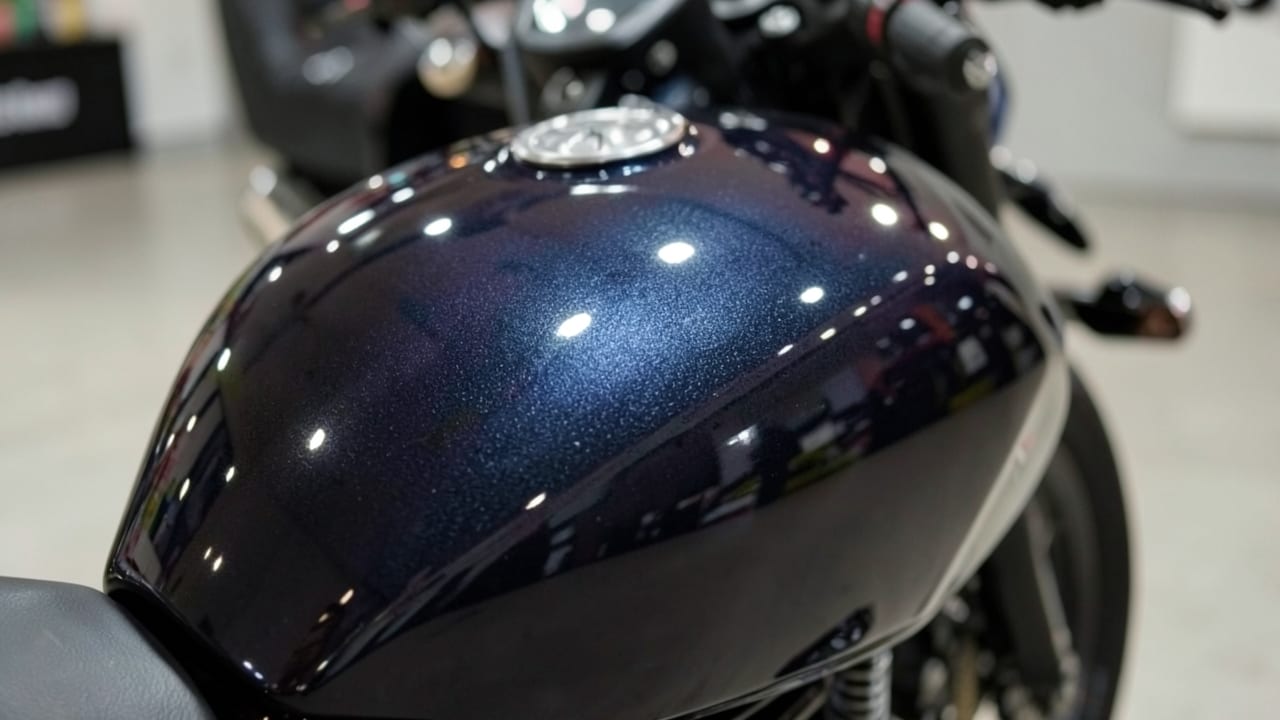
Motorcycle Ceramic Coating
Professional application of ceramic coating to protect motorcycle paint and surfaces from damage.
Motorcycle ceramic coating in Baton Rouge adds a protective liquid polymer layer to your bike’s paint, shielding it from scratches, UV damage, and contaminants. This process restores a deep, glossy finish while extending the life of your motorcycle’s appearance—ideal for Baton Rouge’s humid climate and road conditions.
Proper prep and application ensure long-lasting results, but skipping steps can trap contaminants under the coating, reducing its effectiveness.
We also handle Bug Splatter Removal and Overspray Removal for Baton Rouge vehicles.
When your motorcycle needs coating
Ceramic coating isn’t just about shine—it’s about protecting your bike’s paint from daily wear. If water beads instead of rolling off, or your paint feels rough when touched, contaminants like brake dust or industrial fallout have likely built up.
These issues don’t always show up until you inspect your bike under direct sunlight or after a wash, when fine scratches become visible on darker colors.
A dull or hazy finish right after washing is another red flag. Over time, routine washing with regular soaps or automatic car washes can introduce micro-scratches that a coating won’t hide unless corrected first.
If your bike’s paint looks flat or lacks its original gloss, it’s time to consider coating—but only after addressing existing imperfections to avoid locking them in permanently.
Signs Your Motorcycle Needs Coating
- Water spreads into a flat sheet instead of beading and rolling off the paint.
- Fingertips feel small bumps or roughness when lightly dragged across the paint.
- Paint looks dull or hazy immediately after washing, instead of glossy.
- Fine swirl marks or scratches are visible only under direct sunlight or raking light.
- Your bike’s finish has lost its original depth of color or shine over time.
What affects pricing and protection?
The price of motorcycle ceramic coating depends on the prep work included, the type of coating used, and whether additional services like wheel or interior treatments are added. Skipping steps like iron removal or clay bar treatment can leave contaminants trapped under the coating, reducing its lifespan.
A single-layer SiO2 coating typically offers 1–3 years of protection, while multi-layer graphene coatings can last 3–5 years—but only if applied correctly.
Baton Rouge’s humidity and road conditions can accelerate wear, so proper curing and post-coating care are critical. A quote should clearly outline whether paint correction is included, as coating over unaddressed swirl marks locks those imperfections in permanently.
Always ask for a breakdown of the prep process and the specific coating tier being offered to avoid overselling or underserving.
| Factor | Impact on Pricing/Protection |
|---|---|
| Paint Correction Included | Higher upfront cost but ensures a flawless finish; skipping can void warranty or reduce coating lifespan. |
| Coating Tier (SiO2 vs. Graphene) | SiO2: $300–$800 (1–3 years); Graphene: $800–$1,500+ (3–5 years). |
| Prep Steps (Iron Remover, Clay Bar) | Skipping decontamination leaves contaminants under the coating, shortening protection. |
| Additional Services (Wheels, Interior) | Wheels: +$50–$150; Interior: +$100–$300; not always included in base quotes. |
| Curing Conditions (Humidity, Temperature) | Applying outside 60–80% humidity or 65–85°F can cause streaking or poor adhesion. |
Common mistakes to avoid after coating
The first few weeks after coating are critical—how you care for your bike during this time sets the stage for how long the coating lasts. Parking in direct sunlight or washing with harsh detergents too soon can cause the coating to cure unevenly or develop high spots.
Automatic car washes with spinning brushes should be avoided entirely, as they introduce fine scratches that are more visible on a fresh, glossy surface.
Bird droppings, tree sap, and bug splatter left on the paint for more than a day can etch into the coating, creating permanent marks. Always rinse these off promptly.
Using a two-bucket wash method with pH-neutral soap from the very first wash prevents swirl marks and chemical wear that can shorten the coating’s lifespan.
Coating does not protect against rock chips, dents, or deep scratches—it only adds surface hardness against light swirling. Skipping paint correction before coating locks in existing swirl marks permanently. Washing before the cure period (typically 7–14 days) can cause water-spot marks that require professional correction.
How motorcycle ceramic coating works
- 1Thorough Cleaning and Decontamination
The bike undergoes a foam pre-wash, followed by a separate wheel-and-tire cleaning to prevent brake dust from contaminating the paint. Chemical decontamination removes embedded brake dust and road tar, while a clay bar treatment physically smooths the surface, ensuring no bonded contaminants remain.
- 2Paint Inspection and Correction
Under raking light, the paint is inspected for swirl marks or scratches. A correction polish is applied to these areas to avoid trapping imperfections under the coating, which would make them permanent.
- 3Panel Prep and Coating Application
Each panel is wiped down with isopropyl alcohol to remove any residue, then coated in a dust-free environment within a controlled humidity and temperature range. The coating is applied evenly and left undisturbed to cure fully before exposure to water or washing.
- 4Curing and Post-Care
The bike must cure for 7–14 days in shade or a garage, avoiding rain or washing. During this time, use a two-bucket wash method with pH-neutral soap to prevent swirl marks and maintain the coating’s integrity.
Frequently asked questions
Will ceramic coating make my motorcycle’s paint look brand new?
Coating enhances gloss and protects against UV damage and light scratches, but it won’t erase deep scratches or restore faded color. If your paint has significant imperfections, those will need correction first—or they’ll be locked in permanently under the coating.
How long does the coating last, and what shortens its lifespan?
A well-applied coating lasts 1–5 years, depending on the tier (SiO2 vs. graphene) and how well you maintain it. Skipping prep steps like iron removal or washing with harsh chemicals during the first few weeks can reduce its lifespan significantly.
Can I wash my motorcycle normally after coating?
No—use a two-bucket wash method with pH-neutral soap for the first 2–4 weeks, and avoid automatic car washes entirely. During the curing period, even light dew or rain can cause water-spot marks if the coating isn’t fully hardened.
Will coating protect my bike from rock chips or dents?
No. Coating adds surface hardness to resist light swirling, but it won’t stop rock chips, dents, or deep scratches. It’s a protective layer, not armor.
Where Baton Rouge sits, and what the Census lists nearby
Baton Rouge sits in Louisiana, and the closest places listed in the U.S. Census Gazetteer are Westminster (3.4 miles southeast), Merrydale (4.4 miles north), Port Allen (4.4 miles west), Inniswold (4.7 miles southeast). Within 25 miles of Baton Rouge the same source lists 38 distinct incorporated places and census-designated places.
Those figures matter for motorcycle ceramic coating because they are straight-line distances between Census coordinate points: road mileage between Baton Rouge and Westminster runs longer than the 3.4 miles shown, which is why quotes for the same job differ between towns that look close together on a map.
Source: U.S. Census Bureau Gazetteer.
See Prairieville, LA for more, or see the full ceramic coating lineup we run in Baton Rouge across the area for our complete lineup.
Ready to get started?
Talk to a local ceramic coating pro in Baton Rouge — get a written quote.
Other Ceramic Coating Services in Baton Rouge
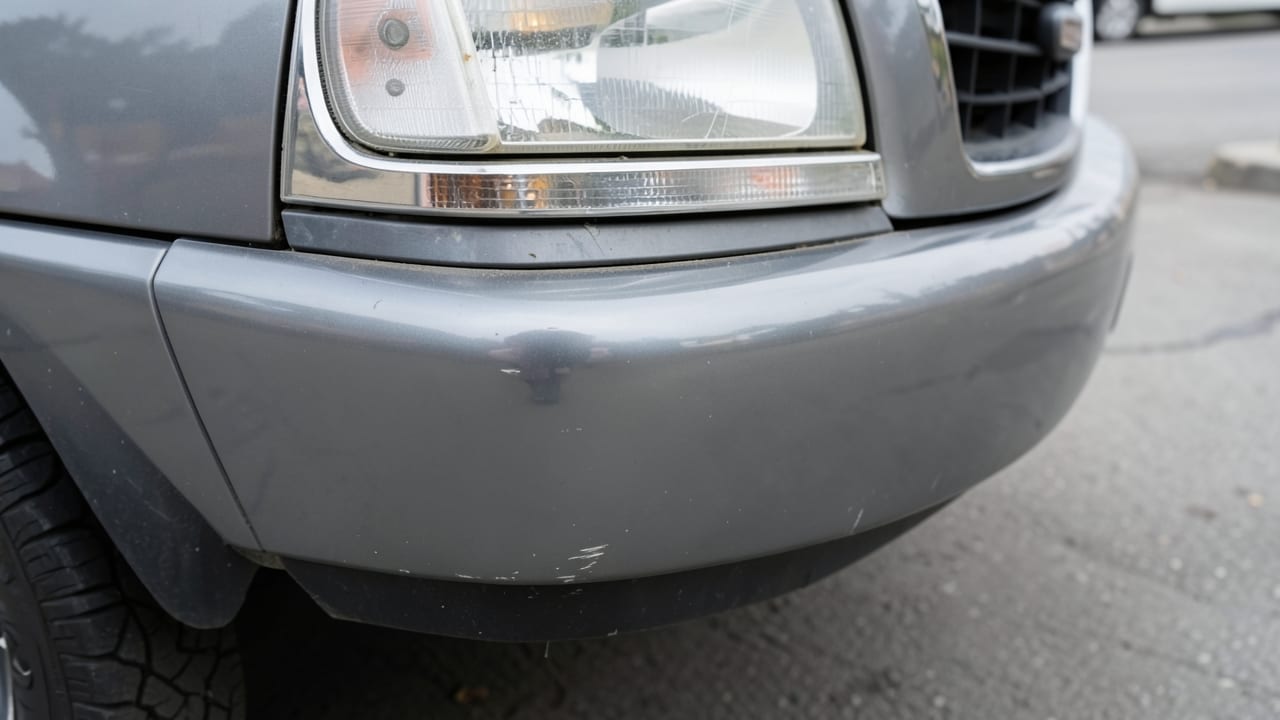
Bug Splatter Removal in Baton Rouge, LA
Professional removal of insect residue from vehicle paint without damaging the ceramic coating or finish.
Learn More
Overspray Removal in Baton Rouge, LA
Removing overspray from vehicles and surfaces to restore original appearance.
Learn More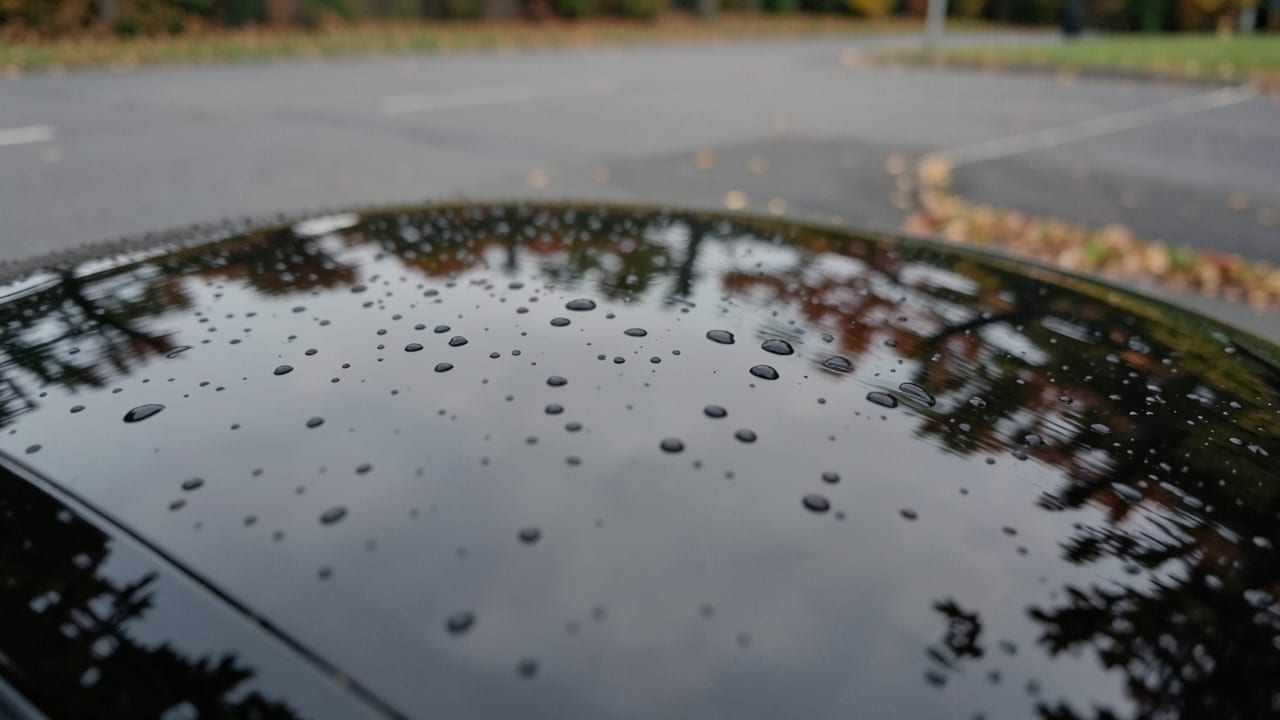
Pre-Winter Paint Sealant Application in Baton Rouge, LA
Professional application of ceramic-based sealant to protect vehicle paint before winter.
Learn More
Annual Ceramic Maintenance Wash in Baton Rouge, LA
Professional cleaning and reapplication of ceramic coatings to preserve paint protection.
Learn More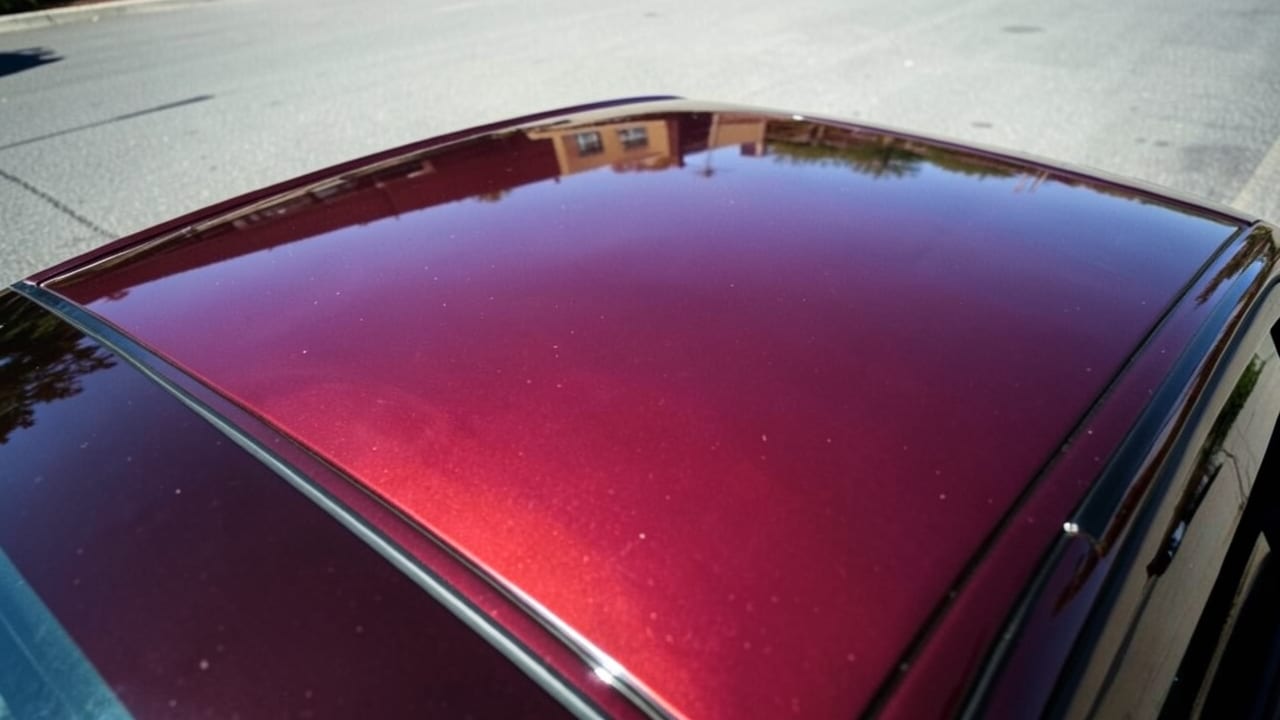
Mid-Summer UV Protection Top-Up in Baton Rouge, LA
Ceramic coating reapplication to restore UV protection and gloss on vehicle paint.
Learn More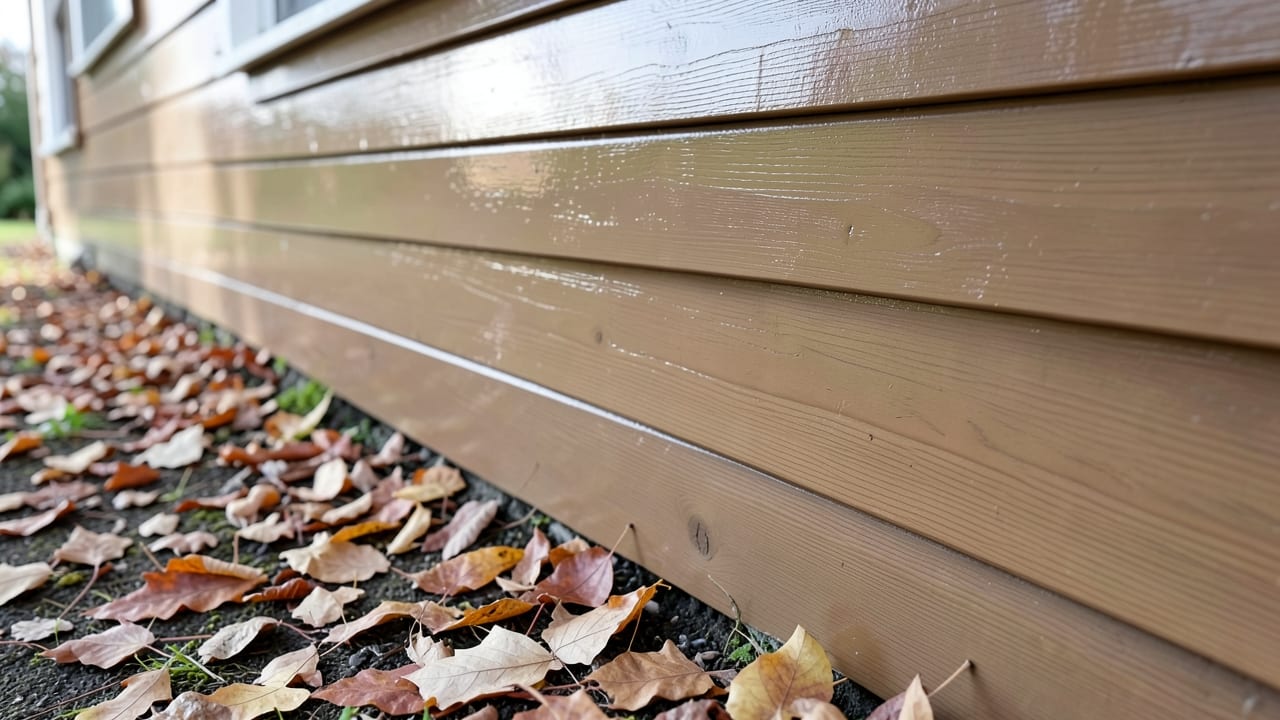
Fall Paint Prep for Winter in Baton Rouge, LA
Ceramic coating and paint protection applied to homes before winter to prevent damage.
Learn MoreCommon Questions About Ceramic Coating in Baton Rouge
Everything you need to know about ceramic coating services in Baton Rouge
How much does Motorcycle Ceramic Coating typically cost in Baton Rouge, LA?
Does intense UV and dust in Baton Rouge, LA change coating maintenance?
Can ceramic coating be applied over a vinyl wrap or matte paint?
What does proper paint prep before a ceramic coating actually involve?
How should a coated vehicle be washed after the coating is applied?
Will a ceramic coating stop rock chips or scratches?
Need Ceramic Coating in Baton Rouge?
Get a written quote from our Baton Rouge crew.
⏰ We answer your call • Serving all of Baton Rouge and surrounding areas