How to Test if Your Ceramic Coating Is Still Active in Ceramic Coating Baton Rouge
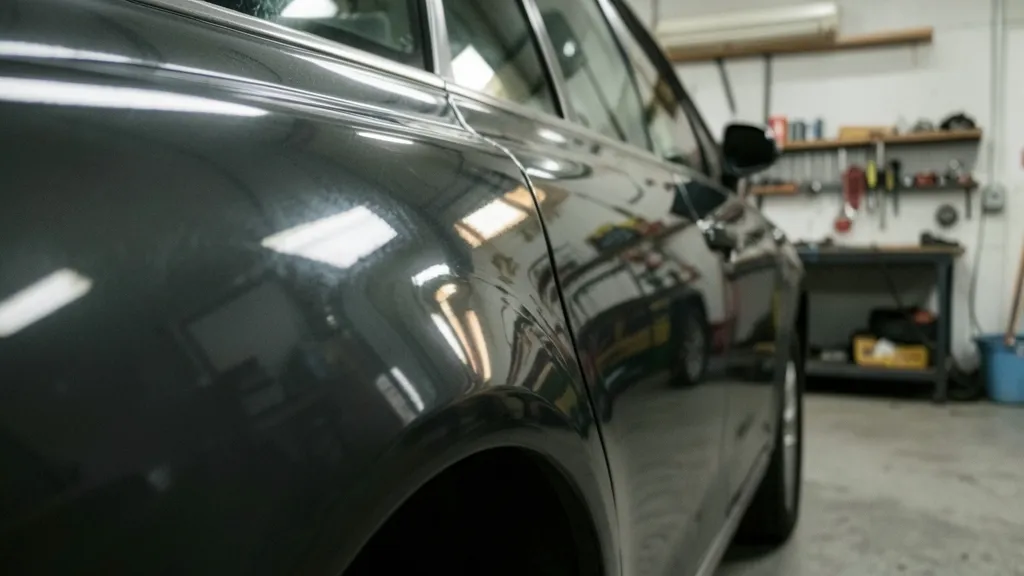
A ceramic coating doesn’t last forever, especially under Baton Rouge’s relentless sun and humidity. Knowing how to test its active protection helps you decide when to reapply or layer additional defenses like Paint Protection Film in Denham Springs or Zachary.
Why Ceramic Coatings Lose Effectiveness Over Time
Even premium 9H-rated coatings break down. UV rays, road grime, and Louisiana’s high humidity slowly degrade the SiO2 matrix, reducing hydrophobicity and gloss.
Improper washing with harsh chemicals or automatic car washes accelerates this. Without regular maintenance, the coating’s sacrificial layer thins faster.
The Water Beading Test: Your First Check
Spritz clean water on a freshly washed panel. A healthy coating forms tight, high domes that roll off instantly. Weak beading or sheeting means the hydrophobic layer is fading.
Test multiple areas—hood, roof, and doors. Inconsistent beading often signals uneven application or partial wear, common after DIY jobs in Central or Baker.
Use distilled water for accurate beading tests; tap water minerals can skew results.
Contact Angle Measurement for Precision
A contact angle meter quantifies hydrophobicity. Readings above 110° indicate strong protection; below 90° suggests it’s time for a refresh or a full reapplication.
Most local shops in Prairieville or Baton Rouge use these tools during inspections. If you lack one, the beading test is a solid proxy.
The Slide Test: Assessing Slickness and Contaminant Resistance
Drag a clean microfiber cloth across the surface. A well-coated panel feels glass-smooth with minimal resistance. Gritty or sticky feedback means the coating’s self-cleaning properties are compromised.
This also reveals embedded contaminants. If the cloth snags, a decontamination wash or clay bar treatment may restore performance before recoating.
Never use rough towels or compounds for this test. They can scratch the clear coat, requiring Paint Correction & Polishing before any new coating.
Visual Inspection: Gloss, Swirls, and Oxidation
A failing coating often loses its deep, mirror-like gloss. Swirl marks or hazing appear as the protective layer thins, exposing the clear coat to micro-scratches.
Check for oxidation—dull, chalky spots—especially on horizontal surfaces. Louisiana’s intense sun speeds this up, making regular inspections critical.
Chemical Resistance Test for Advanced Users
Apply a drop of isopropyl alcohol (70% or higher) to a hidden area. If it beads and rolls off, the coating is intact. If it sheets or leaves a mark, the protective layer is weak.
This mimics how bird droppings or bug splatter interact with the surface. Weak resistance here means your coating won’t shield against etches or stains.
Always test chemicals in an inconspicuous spot. Never use acetone or strong solvents—these can strip coatings entirely.
Comparing Coating Types and Their Lifespans
Not all coatings degrade at the same rate. Consumer-grade sprays may last 6–12 months, while professional-grade ceramic coatings like those we apply in Baton Rouge can endure 2–5 years with proper care.
Hybrid coatings with graphene or titanium dioxide often outlast traditional SiO2 formulations, especially against UV and chemical exposure.
| Coating Type | Expected Lifespan | Best For |
|---|---|---|
| Consumer Spray-On | 6–12 months | Quick refreshes, DIY touch-ups |
| Professional SiO2 | 2–3 years | Daily drivers, full-vehicle protection |
| Graphene-Infused | 3–5 years | High-end vehicles, extreme UV exposure |
| Hybrid (SiO2 + TiO2) | 4–5+ years | Fleet vehicles, long-term protection in Zachary or Central |
When to Reapply or Upgrade Your Protection
If tests show weakened performance, a maintenance spray can temporarily restore hydrophobicity. But for lasting defense, a full reapplication is often best.
Consider pairing a new coating with Paint Protection Film on high-impact areas. Many clients in Denham Springs or Prairieville opt for this combo to battle road debris and rock chips.
Signs It’s Time for a New Coating
- Water no longer beads tightly or rolls off
- Surface feels rough or drags during the slide test
- Gloss has faded or swirl marks are visible
- Chemical resistance (e.g., alcohol test) fails
- Coating is older than its expected lifespan for Louisiana’s climate
How to Perform a Full Ceramic Coating Integrity Check
Follow these steps to thoroughly assess your coating’s condition at home.
- 1Wash and Dry the Vehicle
Use a pH-neutral car shampoo and a clean microfiber towel to remove all surface contaminants. This ensures accurate test results.
- 2Conduct the Water Beading Test
Spray water on a horizontal surface and observe the beading pattern. Note any inconsistencies across panels.
- 3Perform the Slide Test
Gently drag a clean microfiber cloth across the paint. A smooth, effortless glide indicates a healthy coating.
- 4Inspect for Visual Flaws
Check for dullness, swirls, or oxidation under direct sunlight. Use a flashlight at night for better visibility.
- 5Test Chemical Resistance
Apply a drop of isopropyl alcohol to a hidden area and monitor its behavior. Beading means the coating is still active.
- 6Document Your Findings
Take photos and notes of any weak spots. This helps our team tailor a solution, whether it’s a touch-up or full reapplication.
Frequently Asked Questions
How often should I test my ceramic coating in Baton Rouge?
We recommend a quick beading and slide test every 3–4 months, especially before summer and after harsh winters. Louisiana’s climate demands more frequent checks than milder regions.
Can I extend my coating’s life with maintenance products?
Yes. Using ceramic-boosting sprays or shampoos every few months can refresh hydrophobicity. However, these won’t replace a worn-out coating—think of them as a supplement, not a fix.
Does Ceramic Coating Baton Rouge work on matte or satin finishes?
Yes, but the products differ. Matte-specific coatings preserve the non-glossy look while adding protection. Standard coatings can create unwanted shine on these finishes.
What’s the difference between ceramic coating and Paint Protection Film?
Ceramic coatings are liquid-applied and protect against UV, chemicals, and minor scratches. PPF is a physical urethane film that shields against rock chips and deeper abrasions. Many clients in Central or Zachary use both for layered defense.
Will a ceramic coating prevent all scratches and swirls?
No. While coatings add a hard, protective layer (often rated 9H), they’re not scratch-proof. Heavy abrasives, improper washing, or keying can still damage the paint. For maximum scratch resistance, pair it with PPF.
Is it safe to apply a new coating over an old one?
Not always. If the existing coating is failing or contaminated, it must be removed first. Applying over a degraded layer can trap defects and reduce adhesion. Our team often performs Paint Correction & Polishing before a fresh application.